Linden honey: taste, aroma and crystallization. How to choose it?

Linden honey is memorable for its aroma: floral, sometimes gently herbal, with a fresher finish than many mild honeys. Bees make it from nectar collected from linden blossoms. The name describes the prevailing nectar source; it does not promise that every jar tastes exactly the same. Weather, other flowering plants and the particular harvest all influence colour, texture and intensity. This guide helps you choose it for its taste and use it where that taste can be enjoyed.
Customers often ask whether linden honey should taste sharp and whether it must be liquid. Neither question has one answer for every batch. Compare the description with the current jar and its label. If a particular texture matters to you, check the current product information before ordering.
Where does linden honey come from?
Linden honey is a blossom honey. Bees collect nectar from linden flowers and process it in the hive. The botanical name points to the dominant forage, not to an exclusive list of plants visited by every bee. Other flowers may be available during linden bloom. This is one reason why the flavour can differ between locations and seasons. Variation is a normal feature of a natural food.
Linden trees bloom in early summer in many areas, but the precise flowering and harvest dates depend on the species, local conditions and weather. A month printed on a calendar cannot establish the composition of an individual jar. For the actual harvest and origin, consult the label and the information supplied for that product batch.
The variety is valued chiefly for its distinctive sensory profile. Alongside sweetness you may notice blossom, fresh plant or subtle herbal notes. Some people describe a gently tingling or spicy finish. These are tasting words, not a laboratory specification or a promise that every batch will produce the same sensation.
What does linden honey taste like?
Start with a small taste at room temperature, before adding the honey to a drink or a dish. Smell it, taste a little and notice what remains after swallowing. Strong tea, spices or cocoa can hide the more delicate aspects. A plain taste makes it easier to decide whether the variety suits you.
Notice four things in this order:
- Aroma. Look for blossom, fresh linden and perhaps a herbal note. Its intensity depends on the batch and serving temperature.
- First taste. Notice the sweetness and how strong it feels. Liquid and crystallized honey may feel different.
- Finish. A fresh, herbal or lightly spicy impression may linger. People describe it differently.
- Texture. Check how it flows and how the crystals feel. Both change during storage.
“Sharp” does not mean that an actual spice was added. One person may call the finish cool and herbal; another may simply find it strongly floral. Compare it with a familiar mild honey, using small portions and water between samples. Multiflora honey itself varies greatly, so it is more useful to compare particular jars than to insist on a universal ranking.
When tasting for the first time, ask practical questions. Would you enjoy this aroma in tea? Does it bring something interesting to plain yogurt? Would it overpower a delicate dessert? A pronounced batch can be an excellent match for curd cheese but less suitable when you only want discreet sweetness. Let a sample stand briefly at room temperature, and try it on its own before adding lemon or ginger.
What colour and texture should it have?
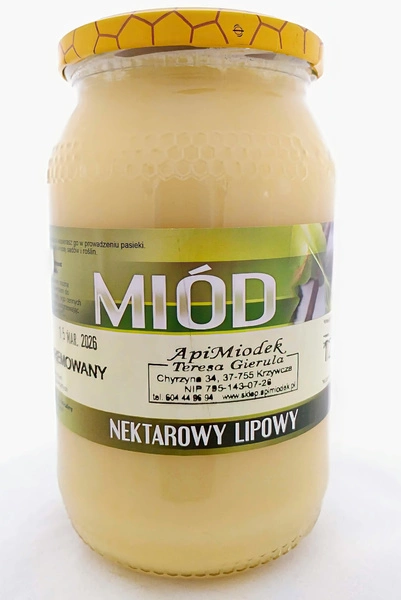
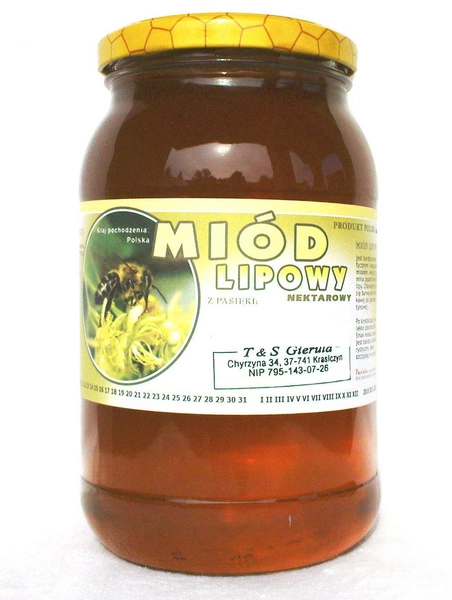
Linden honey can look pale yellow, golden or somewhat darker. Lighting and the glass jar influence what you see. Once crystals form, the honey generally becomes more opaque and may appear lighter or more matte. Colour alone cannot confirm the botanical origin of a batch.
Liquid honey is convenient for drizzling over porridge. A thicker, crystallized jar stays on bread more easily. Both forms can be natural. The ApiMiodek linden honey 1.2 kg product page carries current information about the variant and texture being supplied. A photograph records one moment; check the current description if the exact state matters.
The same honey may look darker in a full jar than in a thin layer against the light. Crystals scatter light differently and can make it appear more uniform. Do not judge two batches solely by their colour. The label, batch identification, origin and the aroma of the actual jar tell you more. A home trick with water or flame does not authenticate a botanical variety.
Does linden honey crystallize?
Yes. Crystallization is a natural process in which some of the sugars form crystals. Its pace depends on the balance of sugars, water content, temperature, time and the particular batch. There is no reliable date on which every jar must have the same texture. Crystallization by itself does not mean that sugar was added or that the honey has spoiled.
If you prefer a spreadable honey, enjoy it as it is. If you need a more fluid texture, gently warm a closed jar in warm water without overheating it. You do not need to liquefy it to eat it. Our guide to why honey crystallizes explains the general process and storage in more detail.
Do not estimate a variety’s crystallization speed from a single jar in your kitchen. Its earlier storage history and filling date also matter. Small crystals can feel creamy; larger crystals feel grainier. If you need a uniform spread, look at a creamed variant. For drizzling, check the current texture before buying.
Keep an opened jar tightly closed, away from moisture, direct sunlight and heat. Use a clean, dry spoon. A distinctly sour smell, bubbling or unusual fermentation signs are different from ordinary crystallization; contact the seller with the batch number if you notice them.
Linden, multiflora or buckwheat: which flavour suits you?
Linden is worth trying if you want a floral honey with a recognizable aroma. Multiflora may be flexible in everyday cooking, but its character depends on the mix of blossoms. Buckwheat is often darker and more assertive. Goldenrod can have a floral sweetness with a more plant-like note. These are starting points for tasting, not a ranking of quality or a guarantee for every harvest.
Choose according to how you plan to use it:
- For tea or curd cheese: linden. Its floral aroma and fresher finish stand out.
- For everyday breakfast: multifloral. It may taste gentler, depending on the batch.
- For mature cheese: buckwheat. Its stronger flavour holds its own beside rich foods.
- For another floral note: goldenrod. It brings a plant-like, late-season character.
Compare them at a similar temperature, without strong accompaniments. Start with the gentler honey, take water between tastes and then try the same neutral bread or yogurt with each. Choose the aroma you would want in a real meal, rather than the one that seems strongest on its own.
How can you use linden honey in food?
Simple pairings leave room for its fragrance. Add a little to tea after it has cooled if you want to notice the floral notes. Try it with plain yogurt, curd cheese, porridge or bread. A small amount in a dressing can balance olive oil and an acidic ingredient; adjust by tasting. In heavily spiced cakes, the distinctive aroma may disappear, although the honey still adds sweetness.
For a useful comparison, prepare two small bowls of plain yogurt. Add a similar amount of linden honey to one and another honey you know to the other. Taste alternately. This is a preference test, not an authenticity or nutrition test. Our separate guide offers seven ways to serve linden honey; this article helps you decide whether you like the variety itself.
What should you check before choosing a jar?
Read the variety, net weight, producer details, batch identification and current product description. If you specifically want a liquid jar, do not infer that from a photograph or from the word “linden.” Ask about the current batch or check the variant. Texture matters for serving, but it is not a simple quality grade.
“Premium” is a product designation, not a medical claim. Honey is food containing natural sugars. The variety does not guarantee a particular effect on blood glucose and does not replace treatment or individual dietary advice. People managing sugar intake should count the portion within their own plan. Honey must not be given to infants under one year of age. The name of a blossom honey should not be confused with the effects sometimes attributed to an infusion made from the flowers: they are different products.
Frequently asked questions
Does linden honey always smell the same?
No. Its floral and herbal notes vary between batches and with serving temperature. Taste a small amount plain to learn the actual jar.
Must it be liquid?
No. Linden honey naturally crystallizes, at a variable pace. The texture supplied may differ from an older product photograph.
Does a pale colour prove it is linden honey?
No. Colour describes the jar but does not authenticate its botanical source. Crystallization may make it look lighter and more opaque.
Is it good in tea?
It can be an aromatic choice. Let the drink cool a little if you want to appreciate the floral character, and sweeten to taste.
How is it different from multiflora honey?
Linden usually suggests a more recognizable linden blossom aroma. Multiflora draws on a wider range of nectar sources. Compare actual batches rather than expecting one fixed taste.
Is crystallized honey inferior?
No. It is a natural change in physical form. Choose a texture that suits drizzling or spreading.
Can linden honey treat a disease?
It should not be treated as medicine. Ask a clinician or dietitian about medical treatment and diets for particular conditions.
How should I store an opened jar?
Keep it tightly closed in a dry, shaded place away from heat. Use a dry spoon and follow the information on the product label.
In brief: choose linden honey for its floral aroma and possible fresh, herbal finish. Taste a little on its own, check the current texture and decide where that flavour will work in your kitchen.
Recommended
Linden honey 1.2 kg PREMIUM
Unheated Lime Honey 1.2 kg PREMIUM

Set 6 x Linden Honey 1.2 kg PREMIUM